






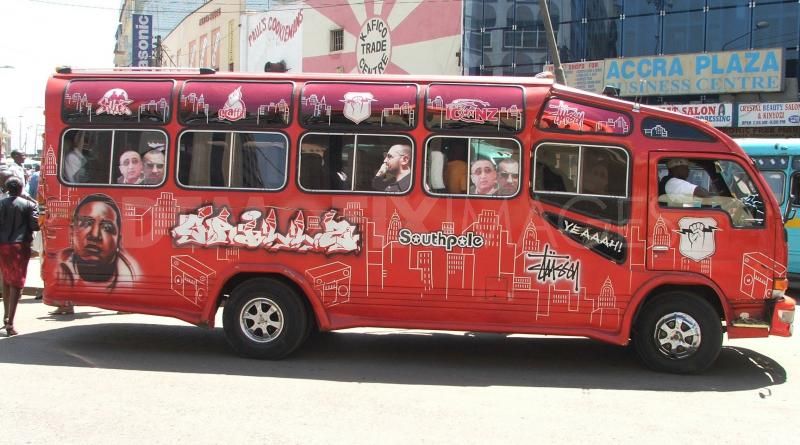
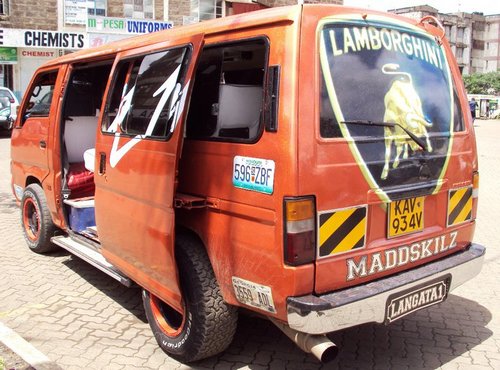
Kenya hosts Africa’s most admirable public service vehicles commonly referred to as Matatus. They feature loud music, cool graphics and general customization.
Matatu is basically a way of life in Kenya, popularly known to many as Matwana Culture. For the many foreigners that I have interacted with, they have over and over time claimed to experience an authentic African urban culture whenever aboard a matatu in Kenya, particularly in Nairobi. This is in contrast to the chauffeured cabs of New York, Dubai, London et al. A spot check on any day around the city of Nairobi, you are likely to come across tourists admiring and taking photos in and with them.
In Kenya, the Matatu Industry has played a major role in development since independence. Although a few would like us to believe that matatus are a menace to Kenyans’ daily lives, many fail to grasp the positive vibe matatus bring to our nation.
Where did Matatus originate? As many of you may recall, Kenya Bus Service used to be the only mode of transport in the city of Nairobi for a long time. A number of entrepreneurs felt it not right for Kenya Bus Company to rule the scenes in public transport. Then, transport was mainly from Nairobi Eastlands where majority Africans lived. So, a few people came up with ideas and started private transport services and charged 30 Kenya cents only, to any place you traveled within Nairobi. This served as much help to poor African workers who trekked by foot to work from Eastlands’ estates such as Hamza, Makadara, Maringo, Mbotela and other places to town. Ksh.30cents in Gikuyu dialect is Mang’otore Matatu thus the name Matatu.
However, this was not received well by the city council of Nairobi whose Kenya Bus Service was one of their ventures alongside other foreign investors. It must have been a threat to their monopoly in the city transport system. In the rural areas, private bus companies were in full business and no matatus ever ventured into these areas until sometimes in the nineteen seventies. Once, private bus owners operating in the rural areas ganged up, and went to the then President Kenyatta to complain that matatus were denying them business to which the president retorted. “If the matatus are taking away your business, why not sell the buses and buy matatus?” A clever answer it was, and those who cared to get a hint of what Mzee implied, went and bought many matatus and started chasing in matatu transport.
Since independence, the matatu industry has evolved from the use of Ford make omnibuses, Peugeot 404s and 504s to Nissan and Toyota vans. This has eased transport to even the interior regions of the country. Currently, the industry employs many people in different capacities such as drivers, touts, route commanders, accountants and scouts to the very owners of the vehicles. Others run saccos which were created in the 90s to control various routes and were a centre of conflict with the Transport Licensing Board (TLB) years back.
A few years back the industry was controlled by cartels who really intimidated many stakeholders. New-comers in the industry were forced to pay large amounts of money to the ‘Mafia’ of the matatus (As they were known in and outside circles). The money included fees of introduction to saccos and routes. Owners surrendered their vehicles and the saccos chose drivers.
Nowadays, matatus are most organized with different saccos and groups concentrating on specific regions, others in major cities and they guard welfare of their members. The industry has at times fallen into bad publicity ranging from many drivers and touts getting hooked to alcohol abuse, usage of marijuana and other drugs, vulgar language, links to criminal organized groups to general irresponsibility on our roads. However, Matatu owners and operators say that they are most misunderstood, in that they work under very difficult circumstances. Owners claim they incur heavy cost paying for licenses, insurance that has doubled over years, coping up with the ever rising cost of fuel and spare parts without mentioning bribing traffic police officers, who have to have their share everyday regardless of there being rules broken or not.
One comment