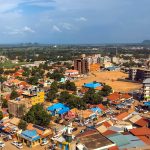



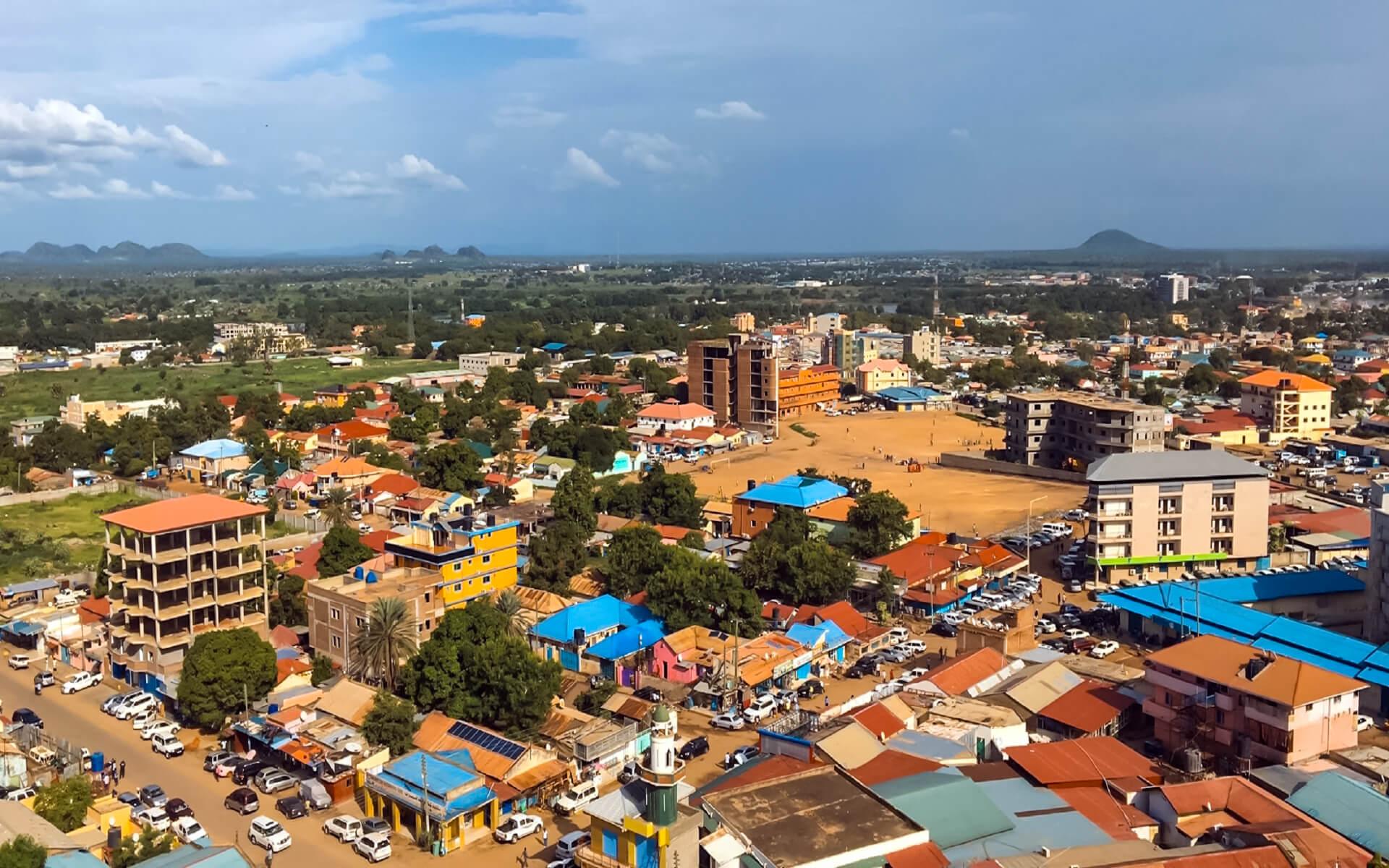
Juba City sits along the White Nile and serves as the capital of South Sudan and Central Equatoria State. You can expect a growing river city where government, trade, local culture and regional transport meet.
As you explore Juba, you can learn how its history shaped its streets, economy and communities. You will also find practical information about transport, landmarks, hotels, dining, safety, public services and the city’s plans for future growth.
Location and Geographic Setting
You find Juba in Central Equatoria State, in the south-central part of South Sudan. The city stands along the White Nile and serves as the country’s political and largest urban center, with road links toward Uganda, Kenya and the Democratic Republic of the Congo.
White Nile Riverfront
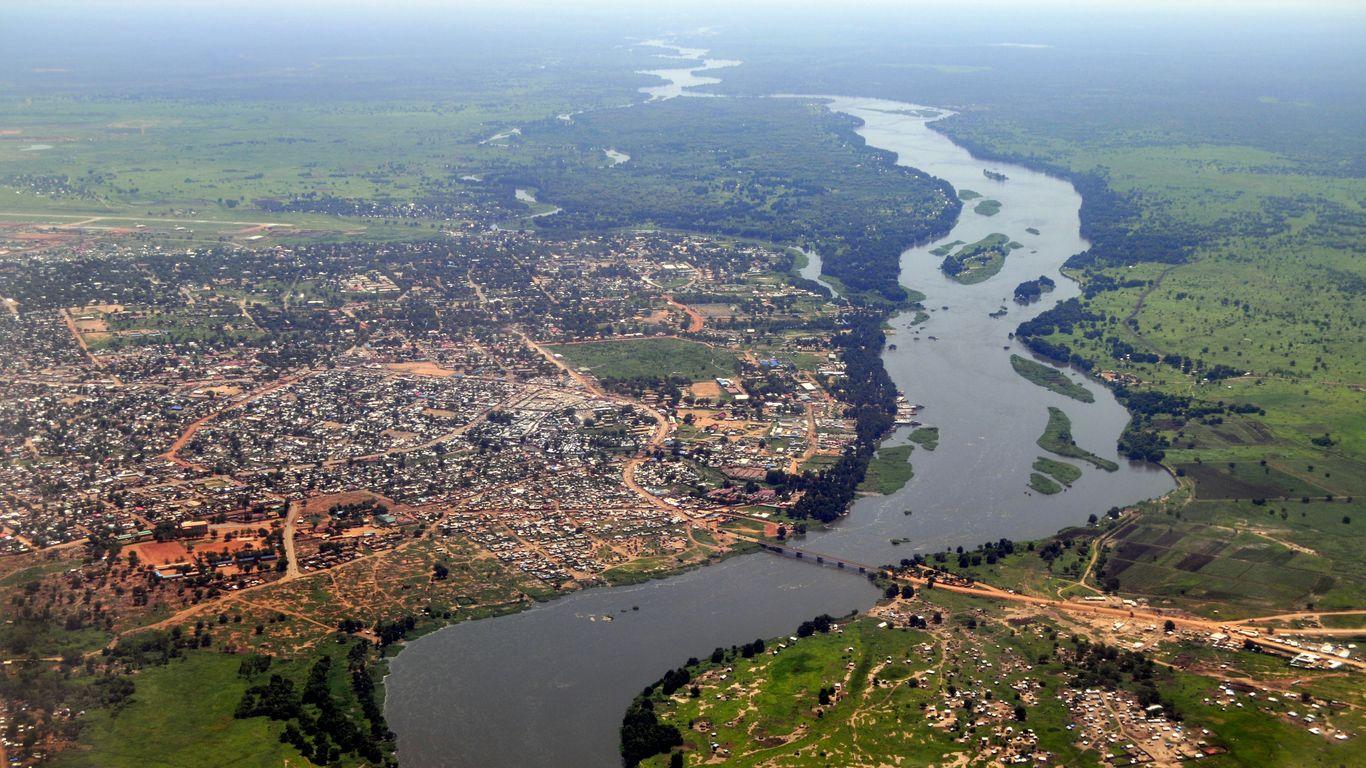
Juba lies on the western bank of the White Nile, locally known as the Bahr al-Jabal or Mountain Nile. The river flows north through the city and supports transport, fishing, farming and trade. Juba also marks a southern endpoint for river traffic within South Sudan.
The riverfront forms an important part of the city’s geography. Seasonal changes in water levels affect nearby low-lying land, roads and riverside activities. Away from the bank, you see mostly flat terrain with areas of grassland, woodland and cultivated land. This setting connects Juba to rural communities that supply agricultural products to its markets.
Juba also functions as a major road hub. Roads extend toward Uganda and other parts of South Sudan, linking the river city with regional trade routes.
Elevation And Climate
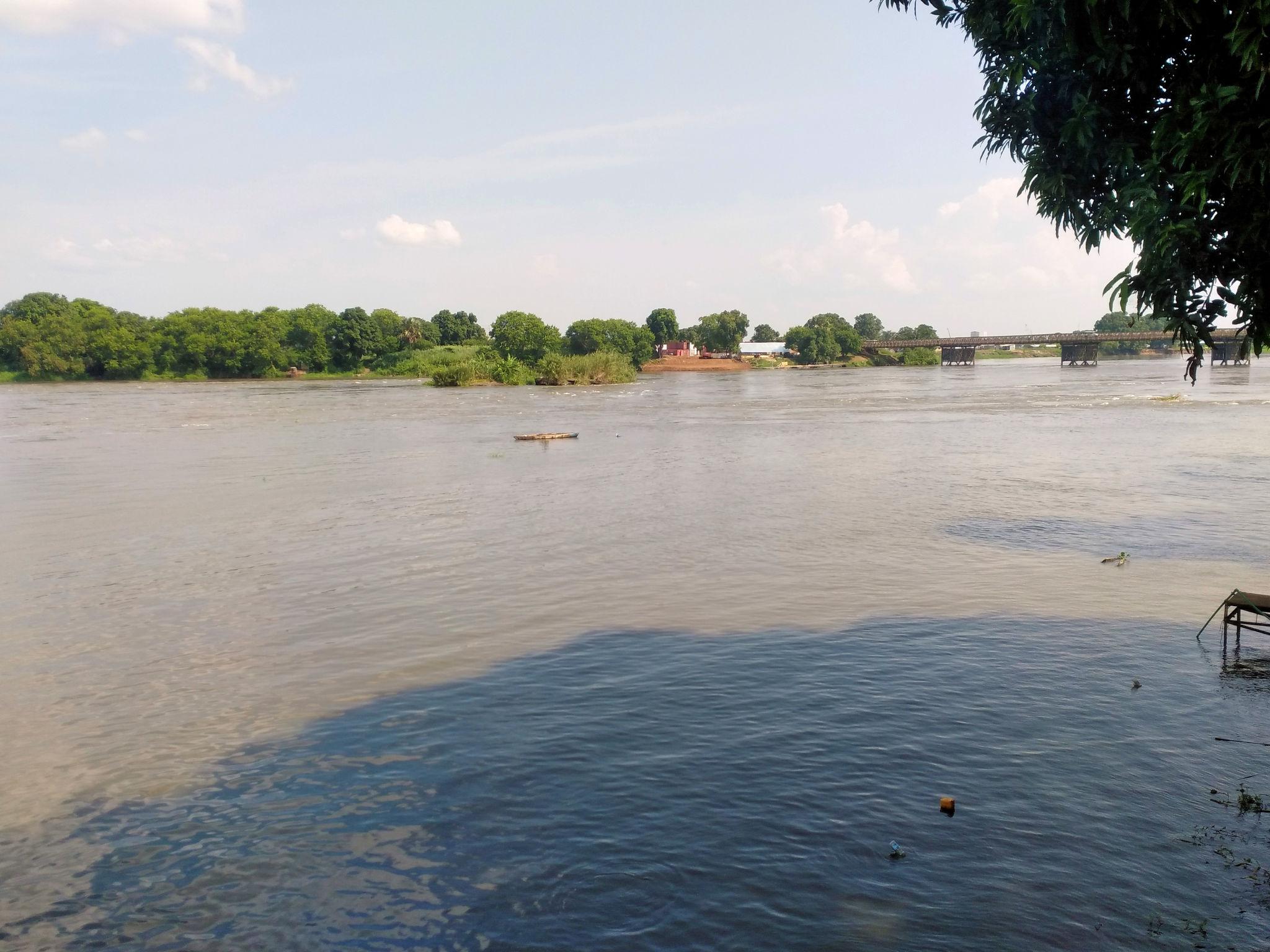
Juba sits at roughly 480 meters above sea level, near 4.85° north latitude and 31.58° east longitude. Its low, gently rolling setting supports settlement and farming, while nearby vegetation becomes greener during the rainy season.
You experience a tropical climate with distinct wet and dry periods. Rainfall usually increases during the middle months of the year, turning open areas green and affecting travel on unpaved roads. The dry season brings hotter, dustier conditions and lower surface water levels.
Juba’s climate and fertile surroundings support crops and livestock in the wider Central Equatoria region. Rapid urban growth has expanded construction across the flat landscape, increasing pressure on roads, drainage, water services and nearby farmland.
Historical Background
You can trace Juba’s development from a settlement in Bari lands to a colonial administrative center and later the political heart of South Sudan. Its location on the White Nile shaped its role in transport, trade, government and the country’s independence movement.
Colonial Origins
Juba grew in an area traditionally inhabited by the Bari people, an indigenous Nilotic community. During the early 20th century, British and Egyptian authorities developed the settlement as part of the Anglo-Egyptian Sudan. Its position on the west bank of the White Nile made it useful for administration and river transport.
By the 1920s, Juba had become an established town and an important southern outpost. The river connected it with other communities, while roads later linked it to Uganda, Kenya and areas further north. You can still see the influence of this period in Juba’s role as a transport and commercial center. Agricultural goods from nearby areas moved through the town supporting its growth.
Role In South Sudanese Independence
Juba became the capital of the autonomous government of Southern Sudan after the 2005 Comprehensive Peace Agreement ended the Second Sudanese Civil War. This agreement gave southern Sudan greater self-government and made Juba the center of its political institutions.
When South Sudan declared independence on July 9, 2011, Juba became the capital of the new country. Government ministries, national offices and diplomatic missions developed rapidly in the city. Juba also became a meeting place for communities from across South Sudan although conflict and displacement continued to affect its growth. Today you can see its national importance in its concentration of political, economic and administrative activity.
Government and Administrative Role
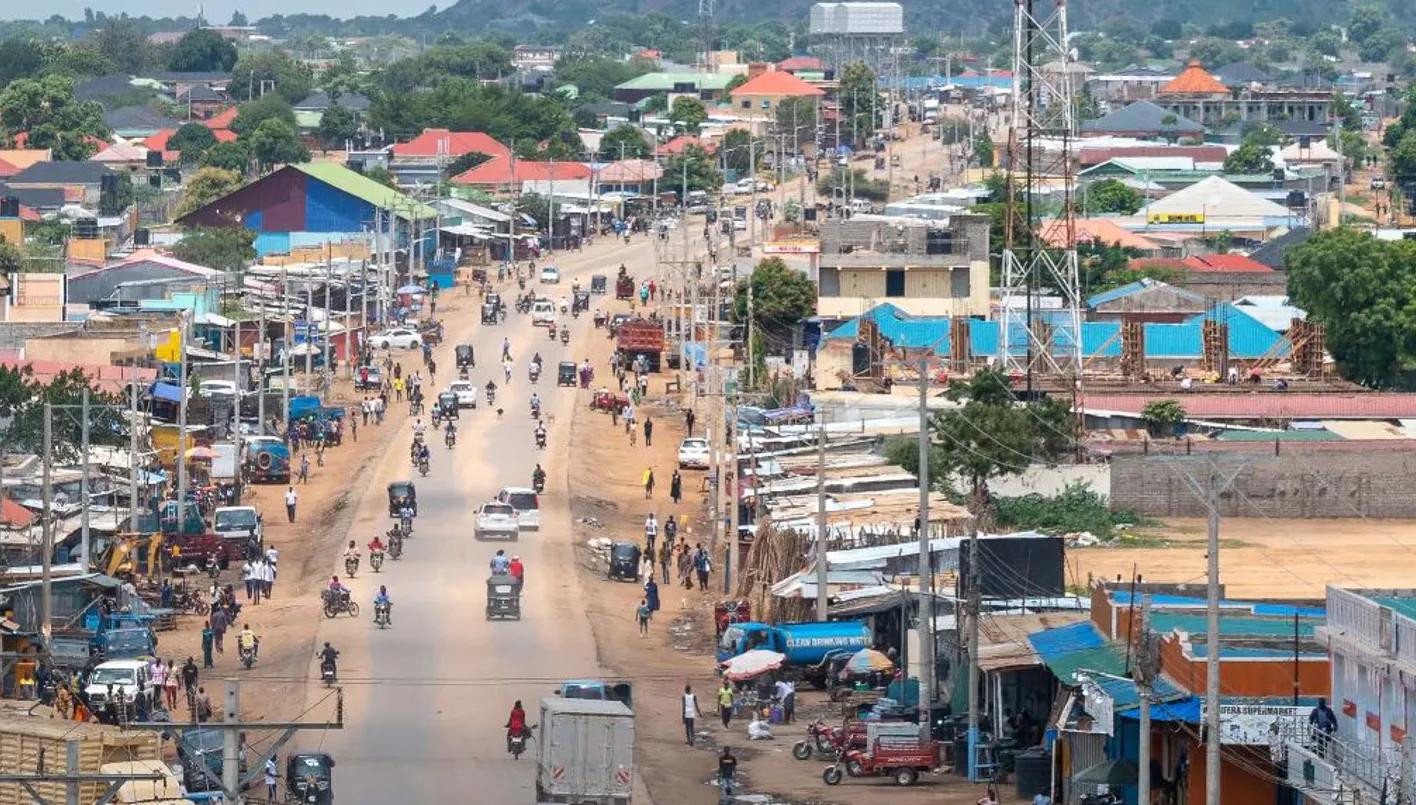
When you look at Juba’s role, you see both the center of South Sudan’s national government and the administrative hub of Central Equatorial State. Its ministries, courts, foreign missions and city authorities manage decisions that affect the country and the capital’s rapidly growing urban area.
National Institutions
Juba serves as South Sudan’s national capital and hosts the main offices of the presidency, national ministries, parliament and central public agencies. If you need to follow national policy, public services or political decisions, Juba is the country’s main administrative center.
The city also contains key judicial and security institutions. National authorities manage matters such as law, public administration, transport and economic policy from offices across Juba. The city’s growth has placed pressure on roads, housing, drainage and public land making urban management an important government task.
Juba also functions as the capital of Central Equatoria State. The state government and Juba City Council oversee local issues, including planning, public works, markets and the removal of illegally built structures. Juba County is a separate administrative area within Central Equatoria State, while the city itself contains several local government structures.
Diplomatic Presence
You will find most of South Sudan’s diplomatic activity in Juba. Foreign embassies, international organizations and aid agencies operate from the capital because national officials, ministries and public institutions are based there.
Diplomatic missions support communication between South Sudan and other governments. They provide consular services, report on political and security conditions and assist their citizens. International agencies also work with national and state authorities on health, education, humanitarian relief, peace building and urban development.
Juba’s international role expanded after the 2005 Comprehensive Peace Agreement when the city became the administrative center of the autonomous government in southern Sudan. It remained the capital when South Sudan became independent in 2011. Foreign missions and development partners continue to shape the city’s services, planning and response to displacement and conflict.
Population and Cultural Life
When you explore Juba, you find a young, growing capital shaped by migration, many ethnic communities and life along the White Nile. Its culture combines local traditions with music, food, languages and customs from across South Sudan.
Languages and Communities
You will hear English in government offices, schools, businesses and many public signs. Arabic, especially Juba Arabic, remains common in markets and daily conversation. Many residents also speak local languages, including Bari, Dinka, Nuer, Zande and several others.
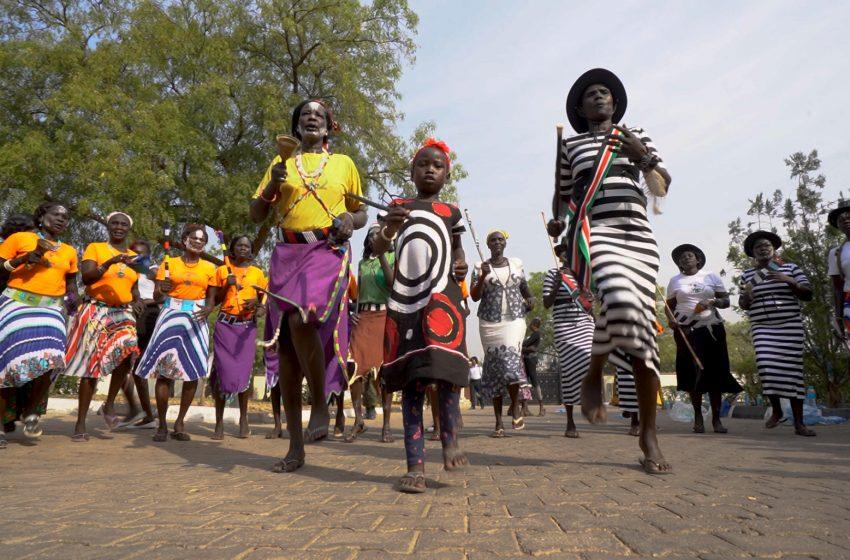
Juba brings together people from South Sudan’s states and neighboring countries. The Bari people have strong historical ties to the area, while Dinka, Nuer, Azande, Kakwa, Mundari and other communities contribute to the city’s social life. You may notice these differences in clothing, food, ceremonies and family customs.
Population estimates vary because census data and city boundaries differ. Recent estimates place Juba’s population at roughly 475,000 to 500,000 people, making it South Sudan’s largest city. Continued movement toward the capital has increased demand for housing, transport, schools and health services.
Music, Arts And Festivals
Music plays a major role in Juba’s social life. You can hear traditional drumming, dance and singing at weddings, community events and cultural gatherings. Modern performers often combine local rhythms with Afrobeat, reggae, hip-hop and gospel.
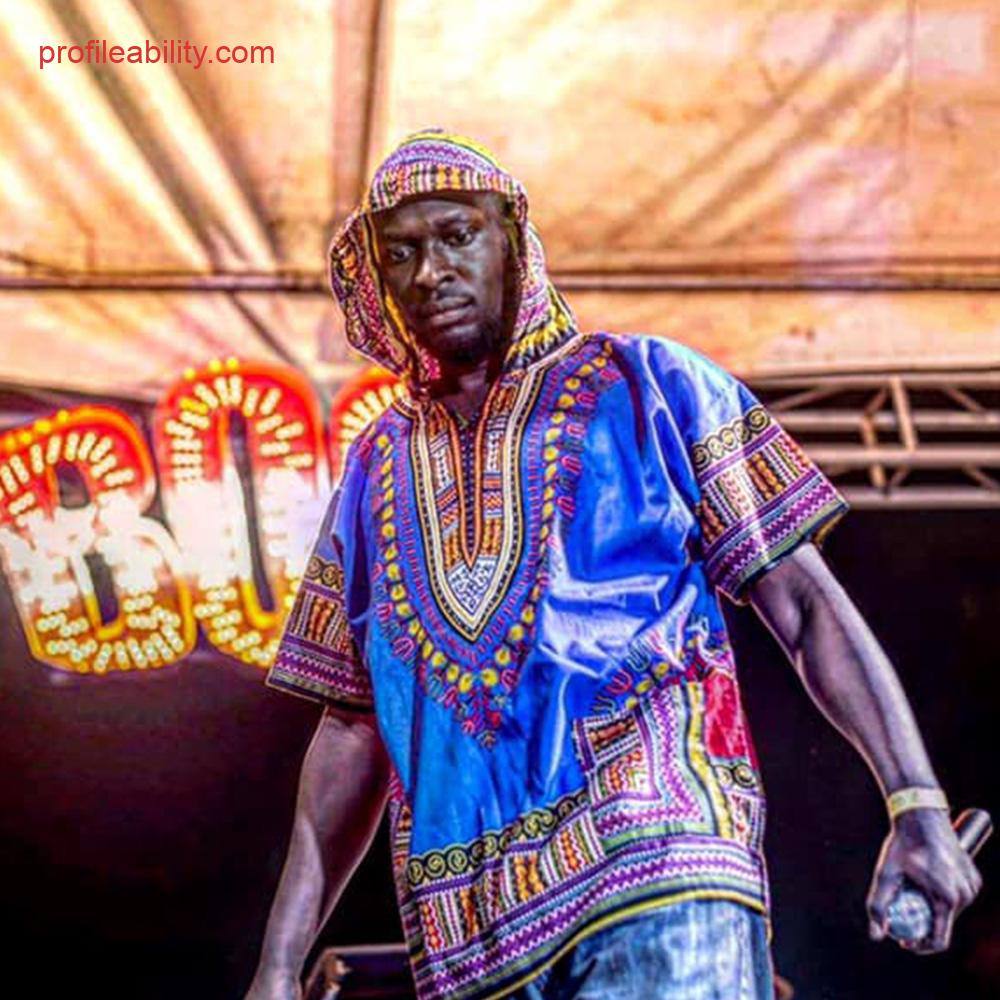
Artists use music and visual art to discuss identity, peace, displacement and daily life. Juba’s cultural spaces include small studios, community groups, restaurants and outdoor venues where performers meet audiences. Radio also helps musicians reach listeners across the city and beyond. Among the most popular artists is Dynamq, born Kennedy Onge’le Lorya and also known as the “Sudanese Child” or “River Nile Crocodile.” He is widely known around the world for his reggae and dancehall music as well as his work as a DJ, producer and sound system owner.
Festivals and public celebrations often highlight South Sudan’s many communities. You may see traditional dress, regional foods, dancing, poetry and craft displays. Independence Day on July 9 has special importance, while religious holidays and family ceremonies bring people together throughout the year.
Economy and Employment
When you work or invest in Juba, you encounter an economy shaped by oil revenue, public spending, trade, aid projects and a large informal sector. Limited roads, electricity, finance and security can raise costs and restrict stable employment.
Trade and Markets
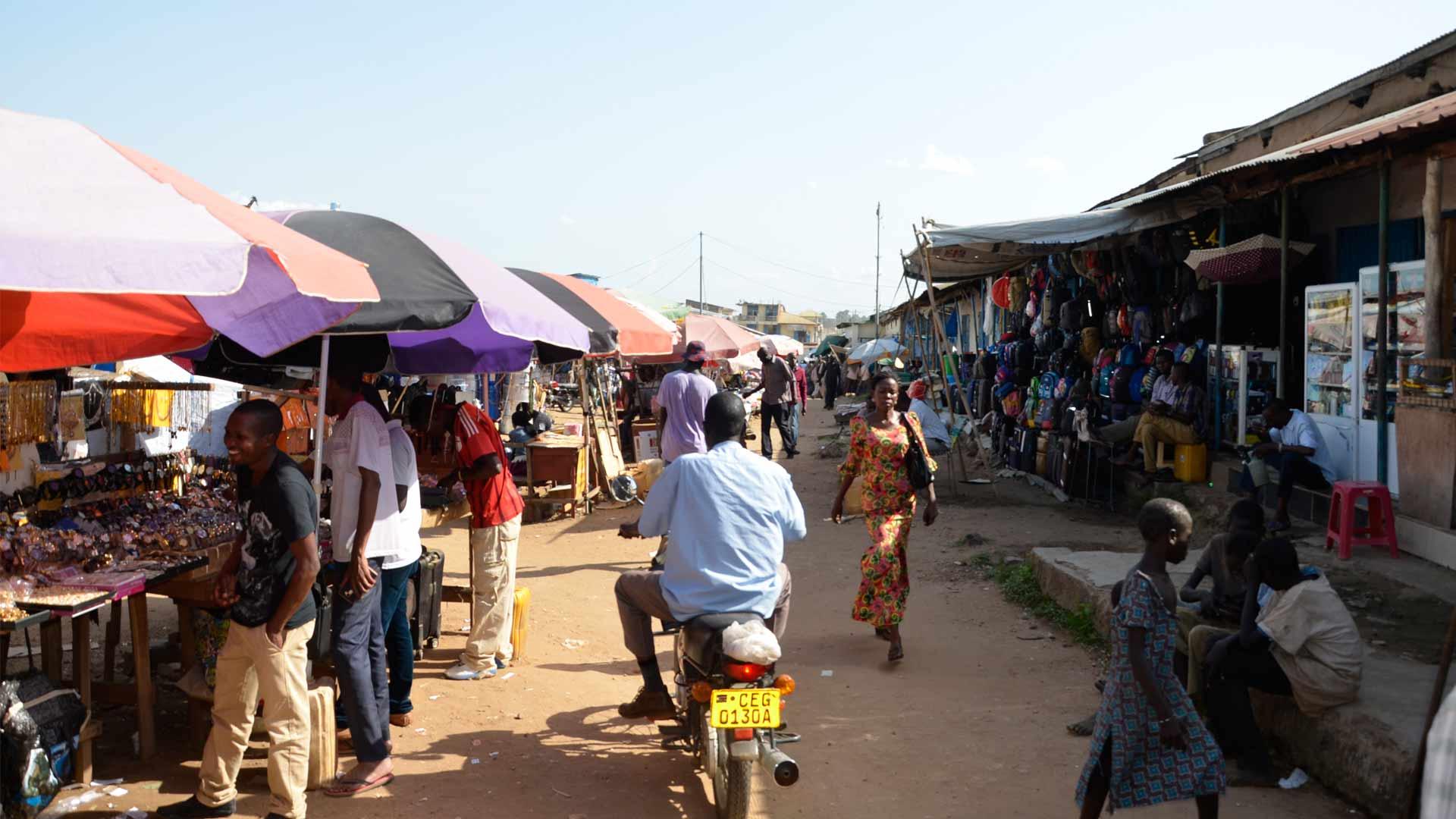
You find much of Juba’s daily commerce in markets, roadside stalls, small shops, restaurants and transport services. Traders sell food, clothing, household goods, fuel, building materials and imported products. Many goods arrive by road from neighboring countries especially Uganda and Kenya, so exchange rates, fuel prices, border conditions and transport costs affect local prices.
The city’s growing population supports demand for housing, food, repairs, mobile phones and personal services. However, many businesses operate informally and rely on cash. You may face limited access to bank loans, storage, reliable electricity and business records. These limits make it harder for small firms to expand or hire workers.
Common commercial activities include:
– Wholesale and retail trade
– Food markets and restaurants
– Transport and vehicle repair
– Construction supply sales
– Mobile money and communication services
Key Industries and Services
Oil remains central to South Sudan’s economy although Juba is mainly an administrative, commercial and service center rather than an oil-producing field. Government offices, international organizations, charities, banks, hotels, schools, clinics and logistics companies provide many formal jobs. Humanitarian and development projects also create work in transport, procurement, health, education and administration.
Construction offers employment as Juba expands and repairs roads, homes, offices and public facilities. Agriculture and livestock support the wider urban food supply, while local businesses process and distribute some products. You may find opportunities in accounting, information technology, security, sales, teaching, driving, skilled trades and project support.
Employment remains uneven. Skills shortages, low private investment, delayed wages, inflation and weak infrastructure can affect job stability. Short-term contracts and self-employment are common, especially for younger workers.
Transport and Connectivity
You can reach Juba by air, road or the Nile River, but each option has different limits. Travel within the city depends mainly on roads which face congestion, seasonal flooding, weak drainage and limited public transport services.
Juba International Airport
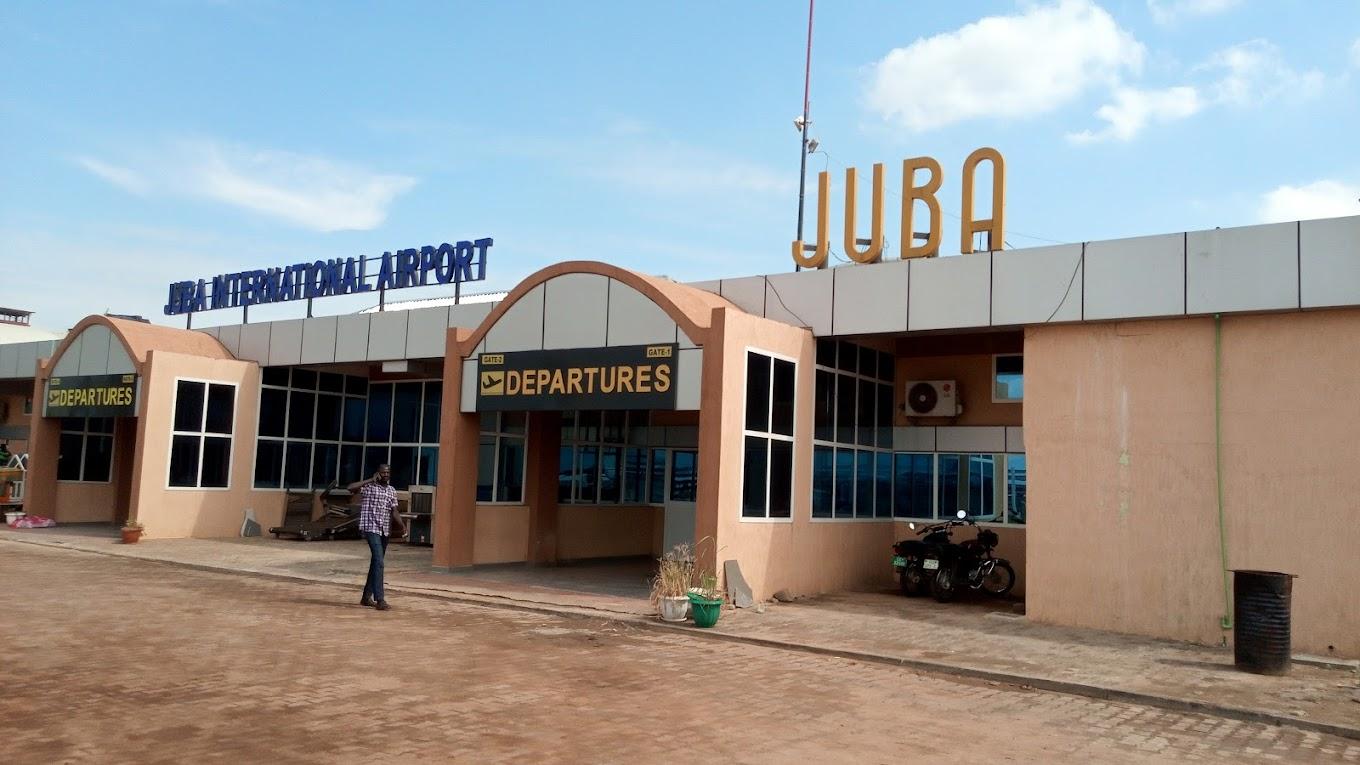
Juba International Airport is South Sudan’s main air gateway and serves domestic, regional and international flights. You can use it to connect with cities such as Nairobi, Addis Ababa, Entebbe and Khartoum, depending on current airline schedules and security conditions.
The airport lies close to central Juba, making road access relatively direct. However, traffic, poor road surfaces, weather and security checks can affect travel time. Flight schedules may also change because of operational, political or weather-related issues so you should confirm times before travelling.
The airport supports government travel, business, aid operations and trade. Continued improvements to airport facilities, passenger services, roads and customs procedures would make air travel more reliable and strengthen Juba’s links with regional markets.
Road Networks and River Transport
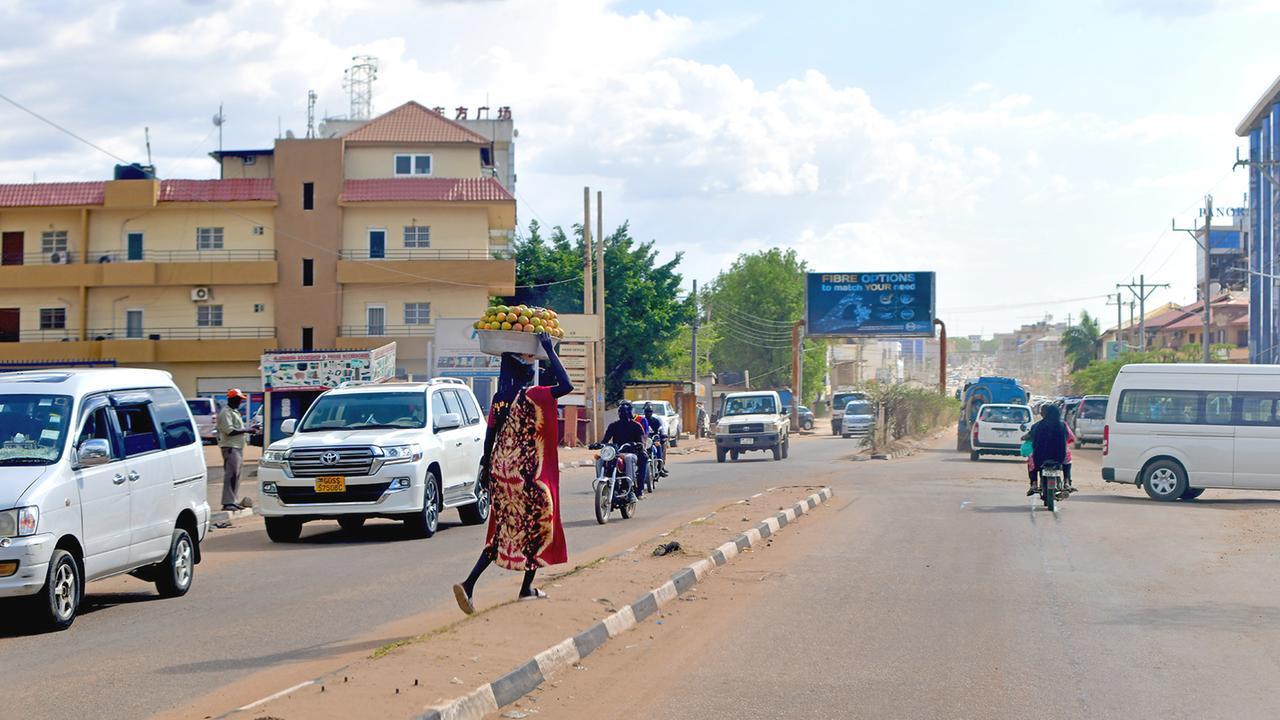
Roads form the main transport network within Juba and connect the city with other parts of South Sudan. Major routes carry private cars, motorcycles, minibuses, trucks and pedestrians. You may face congestion on busy corridors, especially where roads lack sidewalks, traffic controls, drainage or marked lanes.
Many roads become difficult to use during the rainy season. Flooding, mud, potholes and weak maintenance can slow travel and raise transport costs. Priority improvements include paved roads, walkways, drainage channels, bridges, street lighting and organized public transport.
The White Nile also provides a transport route for selected cargo and river activities. River transport can support trade but shallow sections, limited port facilities, seasonal conditions and security concerns restrict its regular use. Better coordination between roads, river services and markets could improve movement of goods.
Landmarks and Attractions
Juba’s main sights reflect South Sudan’s civic life, river setting and cultural history. You can visit public squares, cross the Nile on Juba Bridge and explore museums or markets that show daily life in the capital.
Freedom Square
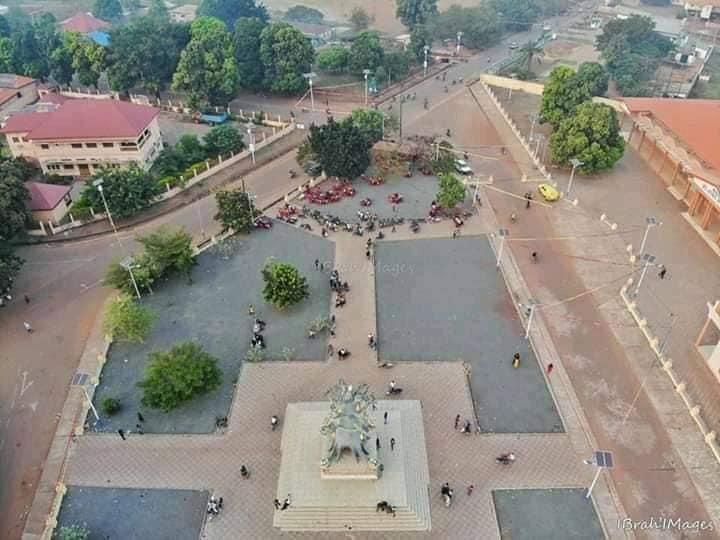
Freedom Square serves as an important public space in central Juba. People use it for gatherings, speeches, celebrations and civic events. Its role connects the square with South Sudan’s modern political history and public life.
When you visit, expect a simple urban setting rather than a large landscaped attraction. You can observe local activity but you should avoid blocking access or photographing official events without permission. Dress modestly and follow instructions from security personnel.
The square works well as part of a short city tour. Combine it with nearby streets, shops and cultural sites and ask a local guide about current events before you go. Conditions can change so check local security advice and travel during daylight.
Juba Bridge
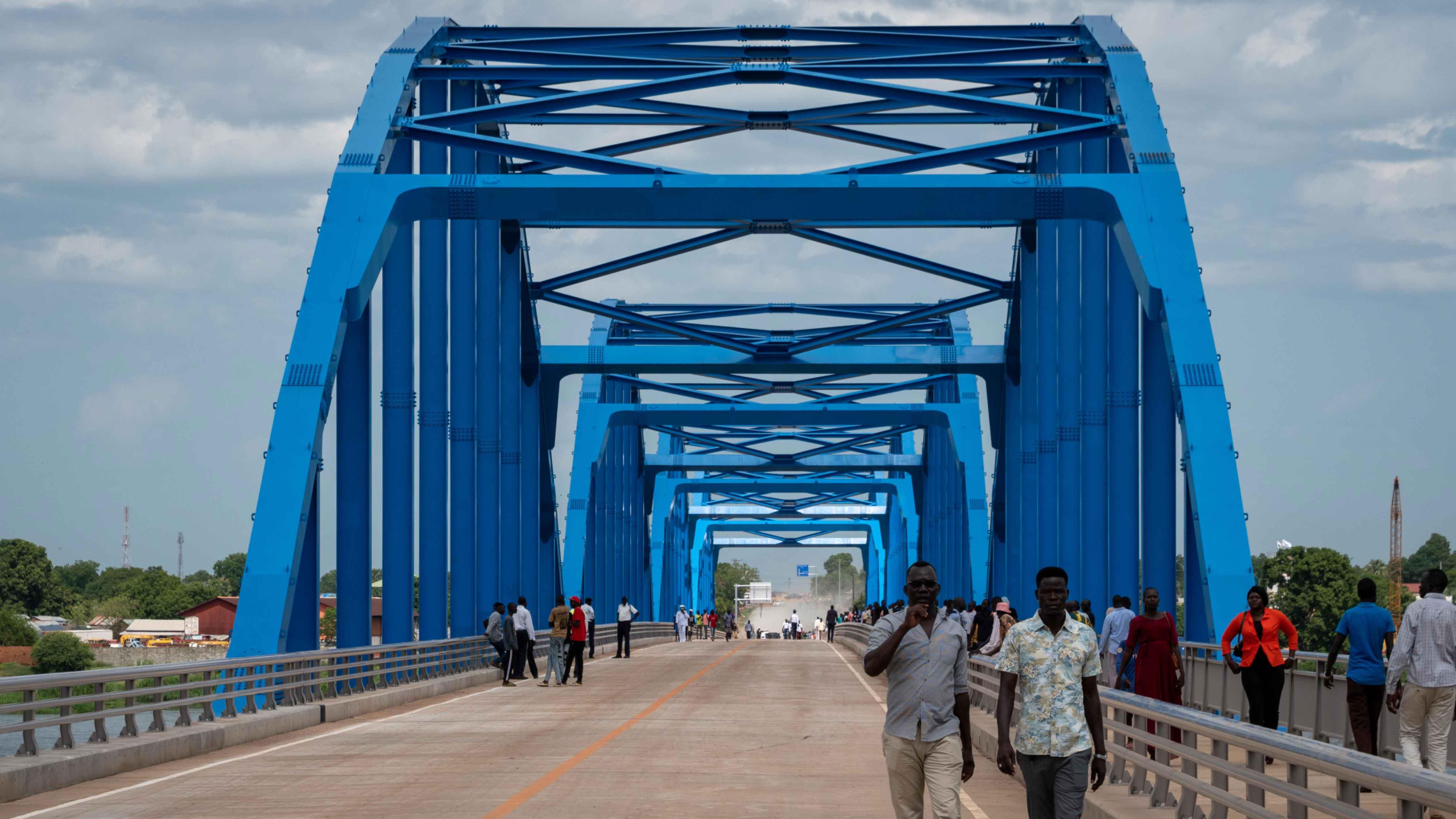
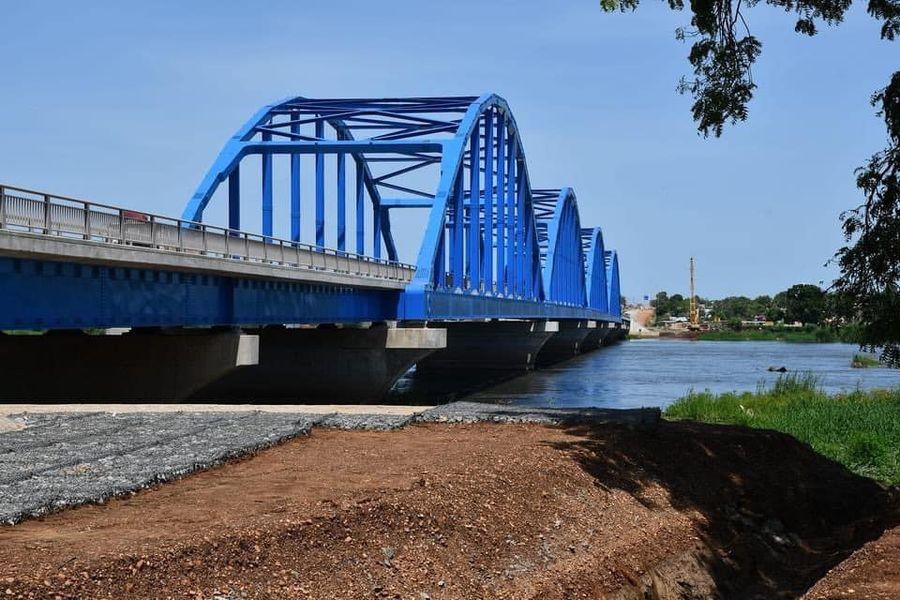
Juba Bridge crosses the White Nile and provides a key road link in the capital. It also offers views of the river, passing boats and parts of the city. Traffic can be busy so you should take care near the road and avoid stopping in active lanes.
You can view the bridge from nearby areas or cross it as part of a guided city drive. The riverbank may provide better opportunities for quiet observation but access and activities can vary. Do not enter restricted areas or photograph security posts, checkpoints or government facilities.
The bridge has practical importance as well as visual appeal. It supports daily travel and trade, making it a useful place to see how Juba connects its neighborhoods with the Nile.
Museums and Cultural Sites
Juba has a small number of formal tourist attractions but its museums and cultural places offer useful insight into South Sudan. The Nimule Museum when open and accessible is known for exhibits linked to local history and culture. In Juba you can also learn through cultural centers, churches, markets and community events.
The Konyo Konyo Market and Maasai Market show everyday commerce and provide chances to find crafts, clothing and souvenirs. Many goods come from South Sudan and nearby countries including Uganda and Kenya. Ask before taking photographs and bargain politely when appropriate.
Opening hours, entry rules and security conditions may change. Confirm details locally, use a trusted guide and keep valuables out of sight while moving through busy areas.
Leave a comment