





The Global Passport Lottery and Why Africans Tend to Draw the Short Straw
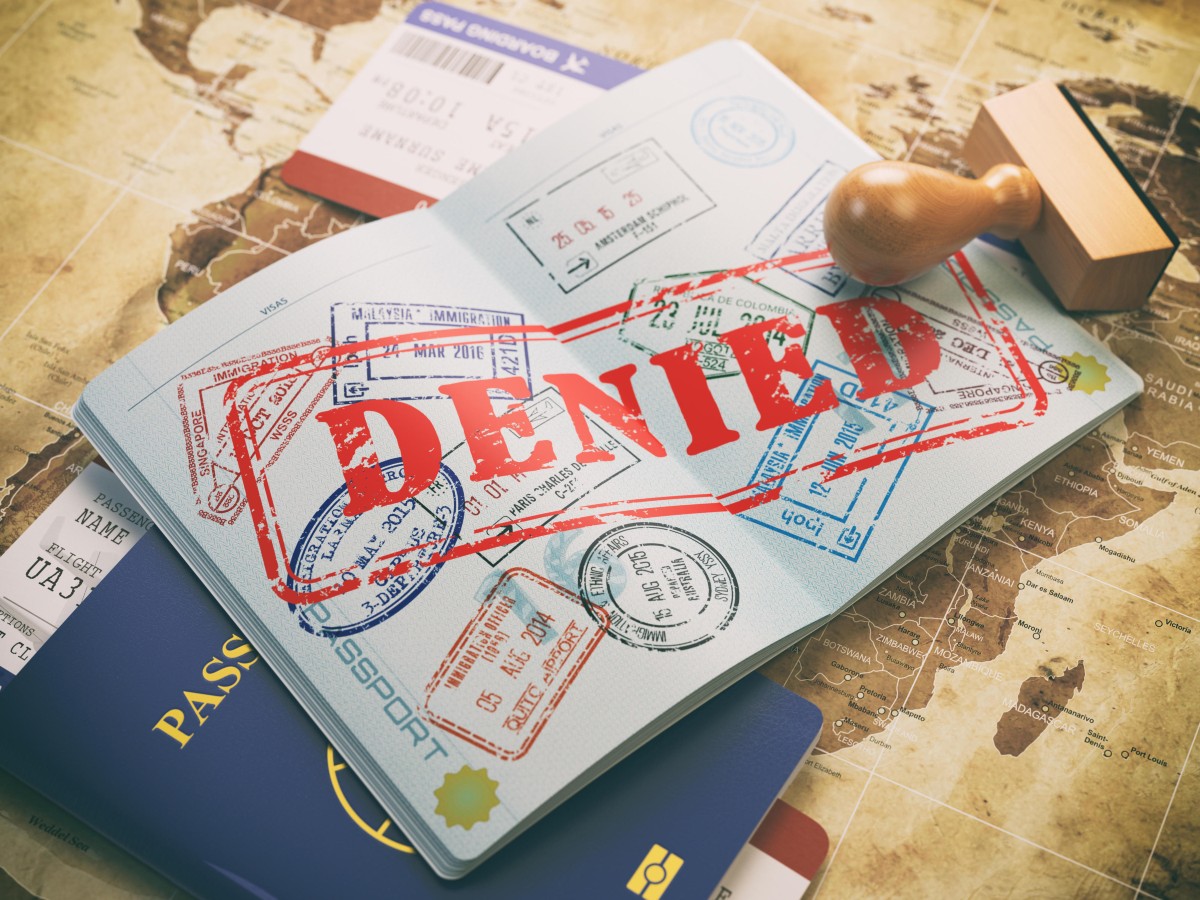
Let’s be real: for many people all over the world, travel is a question of where to go, booking a flight and showing up at the airport. But for many Africans, and especially passport holders from countries like Nigeria, Ghana, Kenya, Uganda and others, international travel starts with a hair-raising, stress-inducing and downright embarrassing experience of acquiring visas.
Imagine planning a bucket-list holiday to Europe or America and spending weeks – if not months – getting documents, bank statements, employer letters and proof of “strong home ties” to be rejected without explanation. Ring a bell?
This is not just an administrative hassle. It’s a systemic barrier. And it’s time we talked about it.
The Reality of Applying for a Visa as an African
If you’re an African reading this, you’re already aware. If you’re not, be prepared. This is what a majority of Africans must endure simply to be considered for perhaps traveling to another country:
Document Overload; Visa applications typically require:
- Birth certificates
- Proof of employment
- Bank statements (even six months back, in some cases)
- Tax returns
- Invitation letters (even for tourism.)
- Flight and hotel bookings (non-refundable, incidentally)
And sometimes even proof that you have a reason to go back (since clearly, your job, life and family aren’t convincing enough).
Long Wait Times and In-Person Appointments
In contrast to travelers from developed nations who register online and receive an email response within 48 hours, Africans generally need to visit embassies (potentially in a different city or even nation) just to attend a 10-minute appointment which will or will not be preceded by a visa.
And the earliest available appointment would be two months from the current date.
Extortionate Fees (No Refunds)
Visa fees range from $50 to $200 – a king’s ransom in the majority of African economies. If your visa is rejected (no reason given), you don’t get your money back. Oh, try again next time!
Embarrassing Questions
You might be a seasoned traveler, the boss of your company, a student or a retiree – it doesn’t matter. You might still be asked:
“Why are you visiting?”
“Do you plan on coming back?
“Do you have anyone in the country?”
“Why would a person of your income come all the way here?”
These queries tend to have a biased presumption: the belief that you’re attempting to flee or remain beyond your stay, not merely visit like everyone else.
The Root Issue: Travel Disparities
The globe is not an equal world – especially when it comes to passports. African passports rank among the least powerful in the world, according to the Henley Passport Index. A Nigerian passport, for example, offers visa-free or visa-on-arrival access into just 46 countries. That’s in comparison to Japan (193 countries) or Germany (191).
It’s not merely a matter of inconvenience. It’s discrimination.
Visa regimes are usually determined by colonial heritage, economic disparities and geopolitical prejudice. Most Western nations have stringent visa policies for African states while having visa-free access to the same states in reciprocity.
It’s like being invited to a party and being told to stand outside while others go in.
But It’s Not All Doom and Gloom
Despite the challenges, Africans are traveling more than ever before – for tourism, study and business. Regional blocs like ECOWAS (Economic Community of West African States) are increasing mobility within the continent and countries like Rwanda and Seychelles are leading the way with visa-free travel for the majority of other fellow African countries.
African travel influencers and bloggers are changing the narrative, too. They’re teaching the world that Africans don’t only travel – they travel fashionably, with purpose and with stories to tell.
A System That Needs Fixing
Visa procedures for Africans are long, invasive, expensive and soul-crushing – and it’s high time we call it what it is: systemic inequality.
Travel has to be a human right, not an exclusive privilege of the “powerful” passport holder. We need more transparency in the visa application process, more bilateral agreements and less prejudice against Global South travelers.
Until then, to all those African travelers filling in yet another form, re-checking documents and hoping against hope: you are not alone and your passport does not define your worth.
Leave a comment